Dental Hygiene Study Guide: A Comprehensive Plan
Embarking on a dental hygiene journey demands dedication! This guide offers strategies for success, from foundational sciences to clinical skills and NBDHE preparation. Consistent study habits are key.
Welcome to the dynamic field of dental hygiene! This profession blends scientific knowledge with compassionate patient care, offering a rewarding career path. A robust understanding of the scope of practice is crucial, encompassing preventative oral healthcare, patient education, and clinical treatment. Success in dental hygiene school requires more than just memorization; it demands the ability to apply learned concepts to real-life scenarios.
The journey begins with foundational sciences, building a strong base for advanced clinical work. Developing consistent study habits early on is paramount, as the curriculum is demanding and fast-paced. Time management skills are essential, balancing coursework, clinical rotations, and personal well-being. Remember, prioritizing self-care isn’t selfish—it’s vital for sustained performance.
Furthermore, preparing for the National Board Dental Hygiene Examination (NBDHE) should be a continuous process, not a last-minute cram session. Effective study strategies, practice exams, and thorough question analysis are key to achieving a passing score. This guide will provide a roadmap to navigate the challenges and maximize your potential in this exciting field. Embrace the learning process, and remember why you chose this path!
II. Core Foundational Sciences
A solid grasp of foundational sciences is the bedrock of dental hygiene practice. This includes a deep dive into anatomy, physiology, biochemistry, and microbiology – all intricately linked to oral health. Understanding head and neck anatomy is paramount for accurate assessments and treatment planning. Biochemistry illuminates the chemical processes within the body, influencing disease susceptibility and treatment efficacy.
Microbiology reveals the complex world of oral microorganisms, both beneficial and pathogenic, shaping preventative strategies and infection control protocols. These sciences aren’t isolated subjects; they are interconnected pieces of a larger puzzle. Effective study isn’t simply memorizing facts, but understanding how these principles apply to clinical situations.
Consistent study and practice are vital for mastering these complex topics. Don’t just read – actively engage with the material through diagrams, models, and case studies. Remember, a strong foundation in these core sciences will empower you to provide safe, effective, and evidence-based dental hygiene care throughout your career. Prioritize understanding over rote learning for lasting success.
III. Anatomy & Physiology – Head and Neck
Mastering head and neck anatomy and physiology is absolutely crucial for dental hygienists. This region is densely packed with intricate structures – muscles, nerves, blood vessels, and glands – all working in concert. A thorough understanding isn’t just about memorizing names; it’s about visualizing spatial relationships and comprehending functional interdependence.
Focus on the cranial nerves and their specific roles in sensation, motor control, and special senses within the oral cavity. Study the temporomandibular joint (TMJ) and its impact on occlusion and overall head and neck function. Detailed knowledge of muscles of mastication is essential for understanding parafunctional habits and their consequences.
Utilize anatomical models, diagrams, and dissection resources to enhance your learning. Relate anatomical structures to clinical landmarks for accurate charting and assessment. Remember, a strong anatomical foundation will guide your clinical skills and ensure patient safety. Consistent review and application are key to solidifying this vital knowledge base.
IV. Dental Anatomy & Occlusion
A deep understanding of dental anatomy and occlusion forms the bedrock of effective dental hygiene practice. You must be able to identify all tooth structures – enamel, dentin, pulp – and their variations across different tooth types. Detailed knowledge of crown morphology, root anatomy, and developmental anomalies is paramount.
Occlusion, the relationship between upper and lower teeth, is equally critical. Study the different occlusal schemes (Angle’s classification) and understand how deviations from normal occlusion can contribute to periodontal disease and temporomandibular joint disorders. Learn to recognize signs of wear, mobility, and malocclusion during patient assessments.
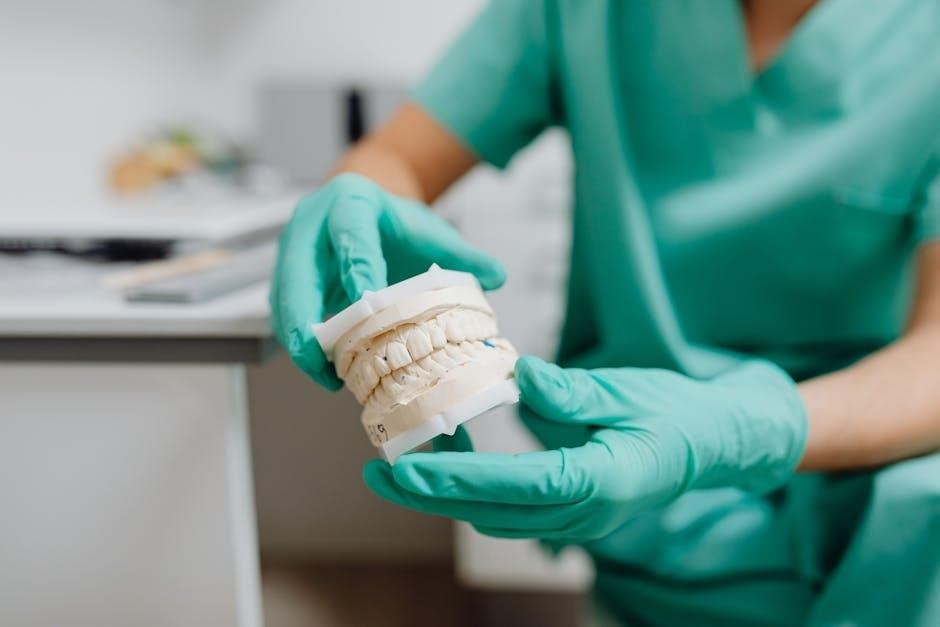
Utilize dental anatomy models and charts to visualize tooth forms and occlusal relationships. Practice identifying anatomical landmarks on radiographs. Remember, accurate charting and documentation of occlusal findings are essential for comprehensive patient care and effective treatment planning. Consistent practice is vital for mastery.
V. Biochemistry & Microbiology in Dentistry
Biochemistry and microbiology are fundamental to understanding the etiology and progression of oral diseases. A solid grasp of biochemical processes, like carbohydrate metabolism by oral bacteria, explains caries development. Explore the role of salivary components – enzymes, buffers, and antimicrobial factors – in maintaining oral homeostasis.
Microbiology focuses on the diverse microbial communities inhabiting the oral cavity. Learn to identify key pathogenic bacteria associated with gingivitis, periodontitis, and other infections. Understand bacterial virulence factors, biofilm formation, and the host’s immune response to microbial challenges.
Study the mechanisms of action of antimicrobial agents used in dentistry. Comprehend how antibiotic resistance develops and its implications for treatment. Mastering these concepts allows you to explain disease processes to patients and advocate for preventative strategies. Applying this knowledge to real-life scenarios is crucial for success.
VI. Clinical Sciences & Patient Care
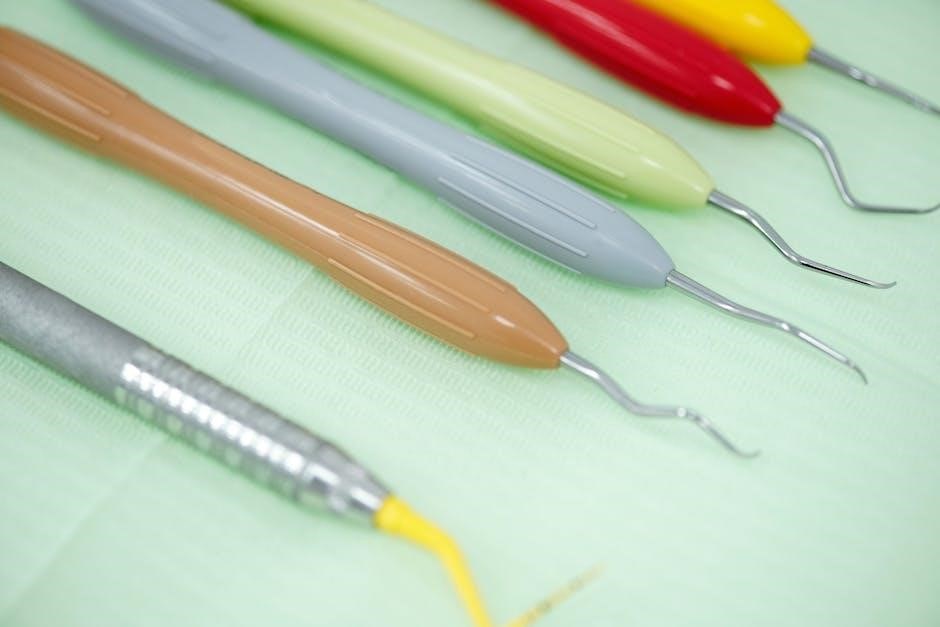
Clinical sciences bridge theoretical knowledge with practical application, forming the core of patient care. This section emphasizes comprehensive patient assessment, including medical and dental history, vital signs, and oral examination findings. Develop skills in recognizing systemic diseases with oral manifestations – diabetes, cardiovascular disease, and immunocompromising conditions – and their impact on dental treatment.
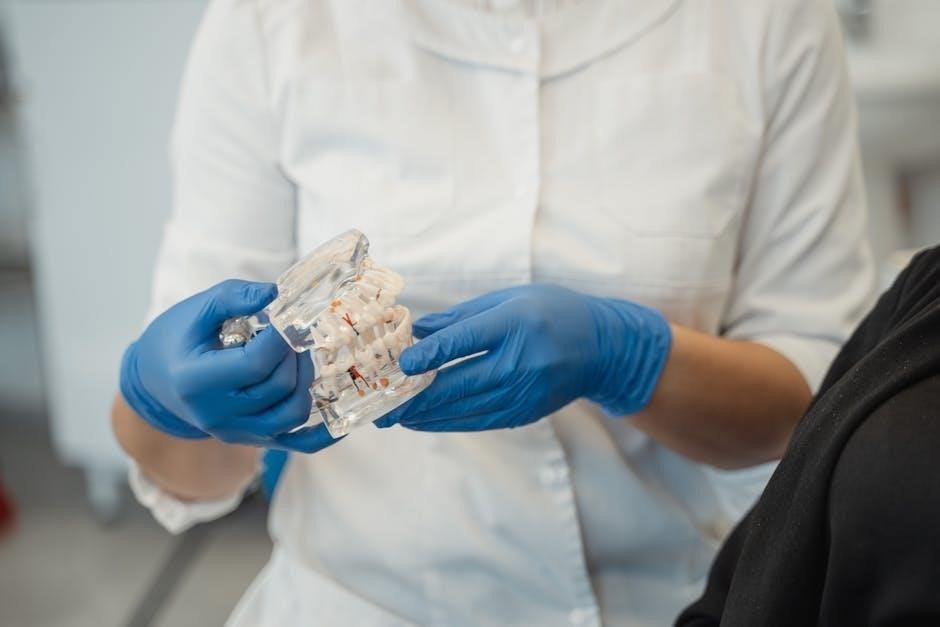
Master effective communication techniques to build rapport with patients, explain procedures, and address their concerns. Ethical considerations and legal aspects of dental hygiene practice are paramount. Learn to document patient information accurately and maintain confidentiality.
Patient care extends beyond treatment to include preventative strategies and oral health education. Tailor treatment plans to individual needs, considering factors like age, lifestyle, and oral hygiene habits. Consistent habits are key to thriving in this field, preparing you for a capable career.
VII. Periodontology: Prevention & Treatment
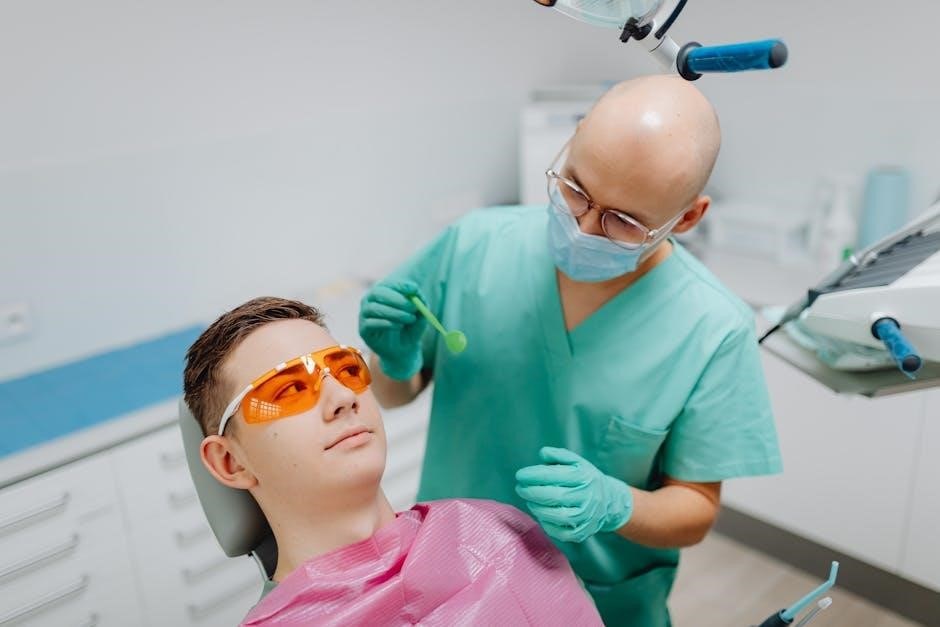
Periodontology focuses on the prevention, diagnosis, and treatment of periodontal diseases – gingivitis and periodontitis. Understand the etiology, pathogenesis, and clinical signs of these inflammatory conditions affecting the supporting tissues of the teeth. Mastering skills in thorough periodontal charting, probing depths, and assessing attachment loss is crucial.
Non-surgical periodontal therapy forms the foundation of treatment, including scaling and root planing to remove plaque and calculus from tooth surfaces. Learn proper instrumentation techniques to effectively disrupt the biofilm and create a favorable environment for healing. Patient education on oral hygiene practices is vital for long-term maintenance.
Explore adjunctive therapies like antimicrobial agents and local delivery systems. Recognize the importance of supportive periodontal care and the role of the dental hygienist in maintaining periodontal health. Applying information to real-life scenarios is essential for success.
VIII. Radiography & Interpretation
Radiography is an indispensable tool in dental hygiene, enabling visualization of structures not clinically visible. A thorough understanding of radiation physics, safety protocols, and image formation is paramount. Master proper positioning techniques for intraoral and extraoral radiographs – bitewings, periapicals, and panoramic views – to minimize patient exposure and maximize diagnostic quality.
Develop skills in accurately interpreting radiographic images to identify caries, periodontal bone loss, anatomical anomalies, and pathological lesions. Learn to differentiate normal anatomical structures from abnormalities. Understanding the limitations of radiography and the importance of correlating radiographic findings with clinical examination is crucial.
Digital radiography and its advantages, including reduced radiation exposure and enhanced image manipulation, should be explored. Familiarize yourself with quality control procedures to ensure optimal image quality and equipment functionality. Consistent practice is key to becoming proficient in radiographic interpretation.
IX. Pharmacology in Dental Hygiene
A solid grasp of pharmacology is essential for safe and effective dental hygiene practice. You must understand the actions, adverse effects, and interactions of drugs commonly used in dentistry, including local anesthetics, analgesics, antibiotics, and medications for managing systemic diseases with oral manifestations.
Focus on pharmacokinetics – how the body processes drugs – and pharmacodynamics – how drugs affect the body. Learn to recognize drug interactions that could compromise patient care. Be prepared to obtain thorough medical histories, including current medications, to identify potential contraindications or adjustments needed during treatment.
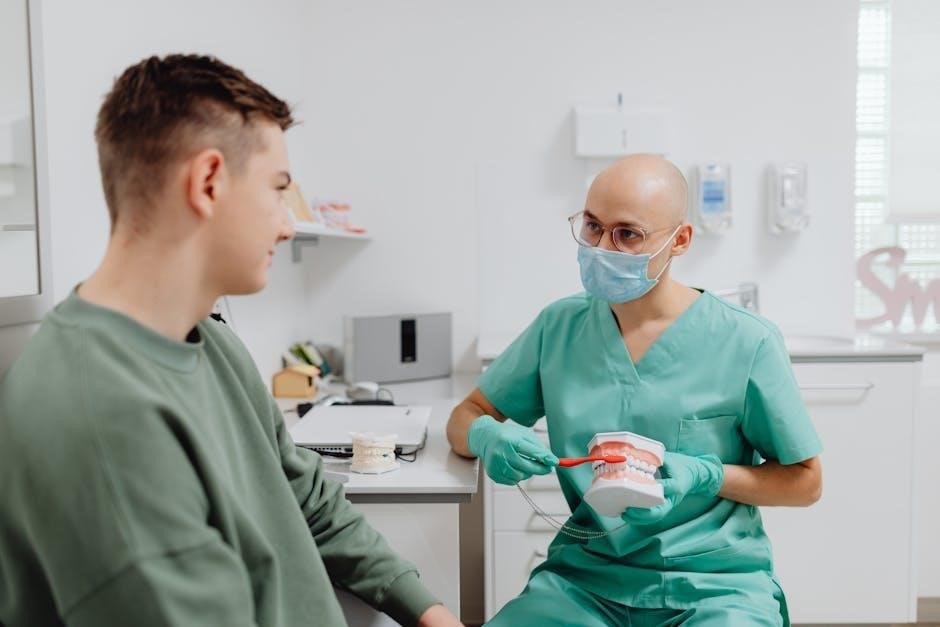
Understand the principles of drug administration and the role of the dental hygienist in patient education regarding medication use. Knowledge of emergency medications and protocols for managing adverse drug reactions is also vital. Staying current with new drug developments and guidelines is a continuous learning process.
X. Dental Hygiene Procedures & Techniques
Mastering dental hygiene procedures requires both theoretical knowledge and hands-on proficiency. This section focuses on the practical application of skills, starting with thorough patient assessments and treatment planning. You’ll delve into techniques for scaling and root planing, effectively removing calculus and plaque to address periodontal disease.
Proficiency in utilizing various instruments – hand instruments, ultrasonic scalers, and rotary instruments – is crucial. Learn proper instrument grasp, angulation, and stroke techniques to minimize patient discomfort and maximize effectiveness. Understanding different polishing agents and their appropriate uses is also key.
Beyond non-surgical periodontal therapy, you’ll explore techniques for sealant application, fluoride treatments, and patient instruction in oral hygiene practices. Accurate charting and documentation of treatment provided are essential components of quality care. Consistent practice and refinement of these skills are vital for success.
XI. Scaling & Root Planing Techniques
Scaling and root planing (SRP) are cornerstones of periodontal therapy, aiming to remove etiologic factors and create an environment conducive to healing. Mastering these techniques demands a deep understanding of periodontal anatomy, disease progression, and instrument selection.
Begin with a systematic approach to scaling, utilizing appropriate hand instruments – curettes, scalers, and files – to remove calculus deposits supra- and subgingivally. Proper angulation and pressure are critical to avoid tissue damage. Ultrasonic scaling offers efficiency, but requires careful technique to prevent overheating and cementum removal.
Root planing smooths the root surface, removing endotoxins and creating a biologically compatible surface for reattachment. Learn to differentiate between calculus, cementum, and dentin. Post-operative sensitivity is a common concern; patient education on proper oral hygiene and desensitizing agents is vital. Thorough charting of pocket depths, bleeding points, and furcation involvement is essential for monitoring treatment outcomes.
XII. Local Anesthesia & Pain Management
Proficiency in local anesthesia administration is crucial for dental hygienists to ensure patient comfort during procedures. A comprehensive understanding of head and neck anatomy, particularly nerve locations, is paramount for safe and effective injections.
Mastering injection techniques – including infiltration and nerve blocks – requires extensive practice on typodonts before clinical application. Learn to recognize and manage potential complications such as hematoma formation, paresthesia, and allergic reactions. Always adhere to strict aseptic protocols to minimize infection risk.
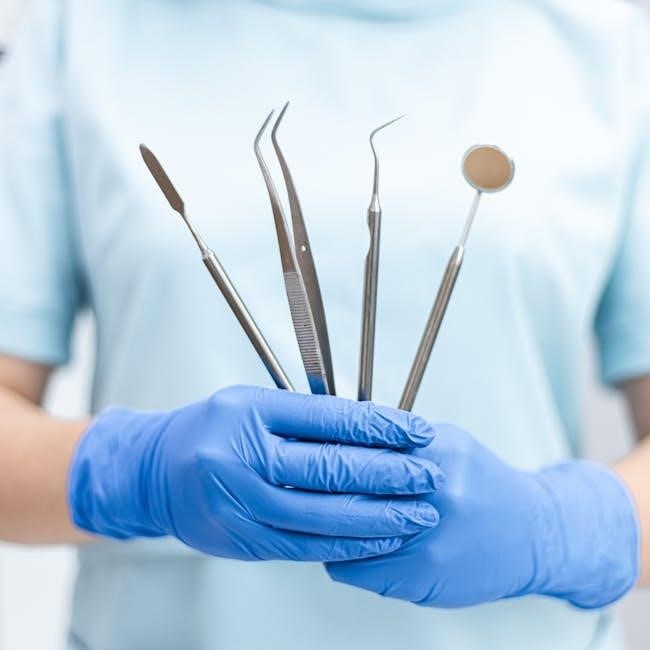
Beyond injections, explore non-pharmacological pain management strategies. Patient communication and psychological support can significantly reduce anxiety and perceived discomfort. Topical anesthetics offer localized relief for minor irritations. Understanding pain pathways and individual patient sensitivities allows for personalized care. Thorough documentation of anesthesia administered, patient response, and any adverse events is essential for legal and ethical practice.
XIII. Patient Assessment & Treatment Planning
A thorough patient assessment forms the cornerstone of effective dental hygiene care. This involves a detailed medical and dental history, including current medications, allergies, and systemic conditions that may impact oral health. Comprehensive extraoral and intraoral examinations are essential to identify abnormalities and document existing conditions.
Accurate charting of periodontal probing depths, recession measurements, furcation involvement, and mobility is critical for diagnosing periodontal disease. Radiographic interpretation aids in detecting caries, bone loss, and other pathological findings. Based on the assessment, develop a personalized treatment plan outlining specific procedures, sequencing, and home care instructions.
Effective treatment planning requires considering the patient’s individual needs, oral hygiene habits, and financial constraints. Clearly communicate the diagnosis, proposed treatment, and expected outcomes to the patient, fostering informed consent and shared decision-making. Regularly re-evaluate the treatment plan based on the patient’s response and adjust as needed.
XIV. Infection Control & Sterilization
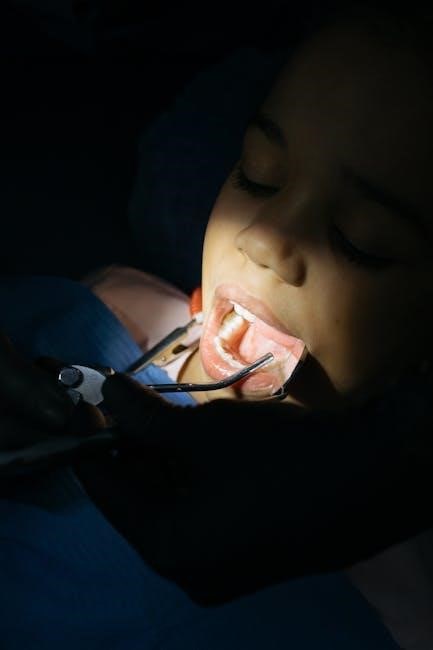
Maintaining a sterile environment is paramount in dental hygiene practice to protect both patients and practitioners. Understanding the principles of infection control, including the chain of infection – infectious agent, reservoir, portal of exit, mode of transmission, portal of entry, and susceptible host – is fundamental.
Implement standard precautions consistently with all patients, treating everyone as potentially infectious. This includes hand hygiene, use of personal protective equipment (PPE) like gloves, masks, and eyewear, and proper handling of contaminated instruments and surfaces.
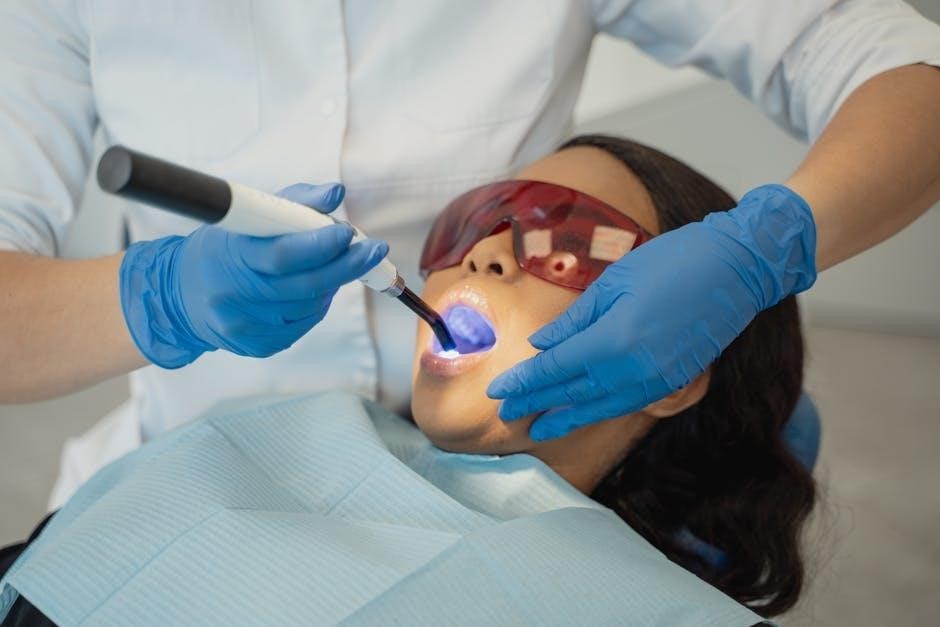
Sterilization procedures, utilizing autoclaves, chemical sterilization, or other validated methods, are crucial for eliminating all microorganisms. Proper instrument processing involves cleaning, disinfection, and sterilization, following manufacturer’s instructions and OSHA guidelines. Regular monitoring of sterilization cycles and adherence to safety protocols are essential for preventing cross-contamination and ensuring a safe dental environment.
XV. OSHA & Safety Protocols
The Occupational Safety and Health Administration (OSHA) sets and enforces protective workplace safety and health standards. Dental hygiene professionals must be thoroughly familiar with OSHA regulations to ensure a safe working environment and prevent occupational exposure to hazardous materials and infectious diseases.
Key OSHA requirements include the development and implementation of a written Exposure Control Plan, detailing procedures for handling bloodborne pathogens, sharps injuries prevention, and hazard communication. Proper labeling of hazardous chemicals, maintaining Safety Data Sheets (SDS), and providing employee training are also critical components.
Adherence to universal precautions, utilizing appropriate PPE, and implementing engineering controls like sharps containers and ventilation systems are essential. Regular safety audits, recordkeeping of training and incidents, and a proactive approach to hazard identification contribute to a compliant and secure dental practice. Understanding and following these protocols minimizes risks and protects both employees and patients.
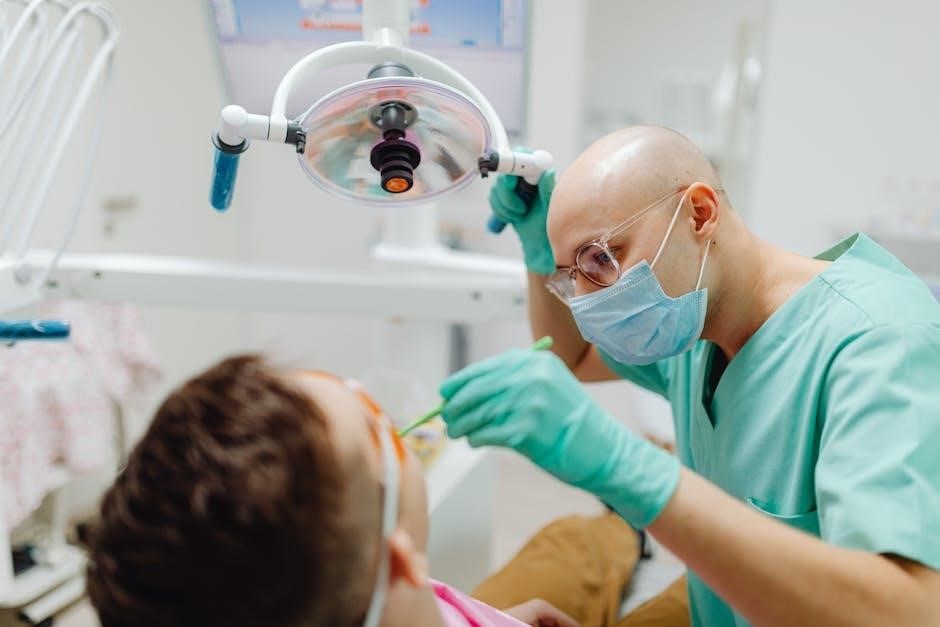
XVI. Instrument Processing & Maintenance
Maintaining sterile dental instruments is paramount to preventing cross-contamination and ensuring patient safety. A meticulous instrument processing workflow is crucial, encompassing receiving, cleaning, disinfection, sterilization, and storage.
Initial cleaning removes debris, followed by disinfection utilizing EPA-registered disinfectants. Critical instruments, penetrating soft tissues or bone, require sterilization – typically through autoclaving (steam sterilization). Proper packaging maintains sterility until use. Monitoring sterilization cycles with biological indicators verifies effectiveness.
Regular instrument maintenance, including sharpening, lubrication, and inspection for damage, extends their lifespan and ensures optimal performance. Following manufacturer’s instructions for cleaning and sterilization is vital. Accurate record-keeping of sterilization cycles and maintenance activities demonstrates adherence to infection control standards. A well-maintained instrument cassette system streamlines workflow and enhances efficiency within the dental practice.
XVII. National Board Dental Hygiene Examination (NBDHE) Preparation
The NBDHE is a comprehensive assessment of your dental hygiene knowledge and clinical reasoning skills. Effective preparation requires a strategic approach, moving beyond simply “studying harder” to “studying better.” A clear plan is essential to avoid feeling overwhelmed and stressed during this marathon-like exam process.
Focus on applying learned information to real-life clinical scenarios, rather than rote memorization. Utilize dedicated NBDHE review courses and resources to identify knowledge gaps. Consistent practice with practice exams is crucial; analyze your performance to pinpoint areas needing improvement.
Develop effective time management skills for the exam itself. Prioritize questions and allocate time wisely. Remember, the NBDHE assesses your ability to think critically and make sound clinical judgments; Don’t just memorize facts – understand the underlying principles. Staying consistent with study and practice throughout your dental hygiene program will significantly contribute to your success on the NBDHE.
XVIII. NBDHE Content Review Strategies
A focused content review is paramount for NBDHE success. Begin by thoroughly understanding the exam blueprint, identifying key subject areas and their weighting. Prioritize topics like dental anatomy, periodontology, radiography, pharmacology, and infection control, as these frequently appear.
Employ active recall techniques – flashcards, practice questions, and teaching the material to others – to reinforce learning. Create a study schedule that allocates sufficient time to each subject, revisiting challenging areas frequently. Utilize comprehensive review materials, including textbooks, online resources, and practice exams.
Don’t neglect the behavioral sciences and practice management components of the exam. Focus on applying theoretical knowledge to clinical situations. Break down complex topics into manageable chunks, and regularly assess your understanding through self-testing. Remember to integrate your clinical experiences with your academic studies for a holistic review.
XIX. Practice Exams & Question Analysis
Simulating the NBDHE environment is crucial; practice exams are indispensable. Begin taking full-length practice exams early in your preparation to gauge your baseline knowledge and identify areas needing improvement. Treat these exams as real testing conditions – timed, distraction-free, and mirroring the exam format.
However, simply taking exams isn’t enough. Rigorous question analysis is key. After each exam, meticulously review every question, correct or incorrect. Understand why you missed questions – was it a content gap, misinterpretation, or careless error? Identify recurring themes in your mistakes.
Focus on understanding the rationale behind correct answers, not just memorizing them. Analyze incorrect options to understand common distractors. Utilize practice exams from reputable sources that closely resemble the NBDHE question style. Track your progress over time to monitor improvement and adjust your study plan accordingly.
XX. Study Habits & Time Management
Dental hygiene school demands exceptional time management and effective study habits. Procrastination is your enemy; consistent, focused study sessions are far more productive than cramming. Create a realistic study schedule that allocates specific time slots for each subject, incorporating breaks to prevent burnout.
Prioritize active learning techniques over passive reading. Utilize flashcards, concept mapping, and teaching the material to others to reinforce understanding. Minimize distractions – find a quiet study space and limit social media or other interruptions. Implement the Pomodoro Technique (25 minutes of focused study followed by a 5-minute break) to maintain concentration.
Self-care is paramount. Adequate sleep, healthy nutrition, and regular exercise are essential for optimal cognitive function. Don’t underestimate the power of a well-rested mind. Remember, studying smarter, not just harder, will yield the best results. Schedule dedicated “worry time” to manage anxieties.
XXI. Resources for Dental Hygiene Students
Numerous resources are available to support your dental hygiene education. Your school’s library provides access to textbooks, journals, and online databases like PubMed and CINAHL. Explore professional organizations such as the American Dental Hygienists’ Association (ADHA) for valuable information, continuing education opportunities, and practice guidelines.
Utilize online platforms offering practice exams specifically designed for the National Board Dental Hygiene Examination (NBDHE). Several companies provide comprehensive review courses and question banks. Don’t overlook the power of peer learning – study groups can foster collaboration and enhance understanding.
Many dental hygiene programs offer tutoring services or mentorship programs. Take advantage of these opportunities to receive personalized support. Explore reputable websites and blogs dedicated to dental hygiene for current updates and insights. Remember to critically evaluate the source and ensure information is evidence-based.